
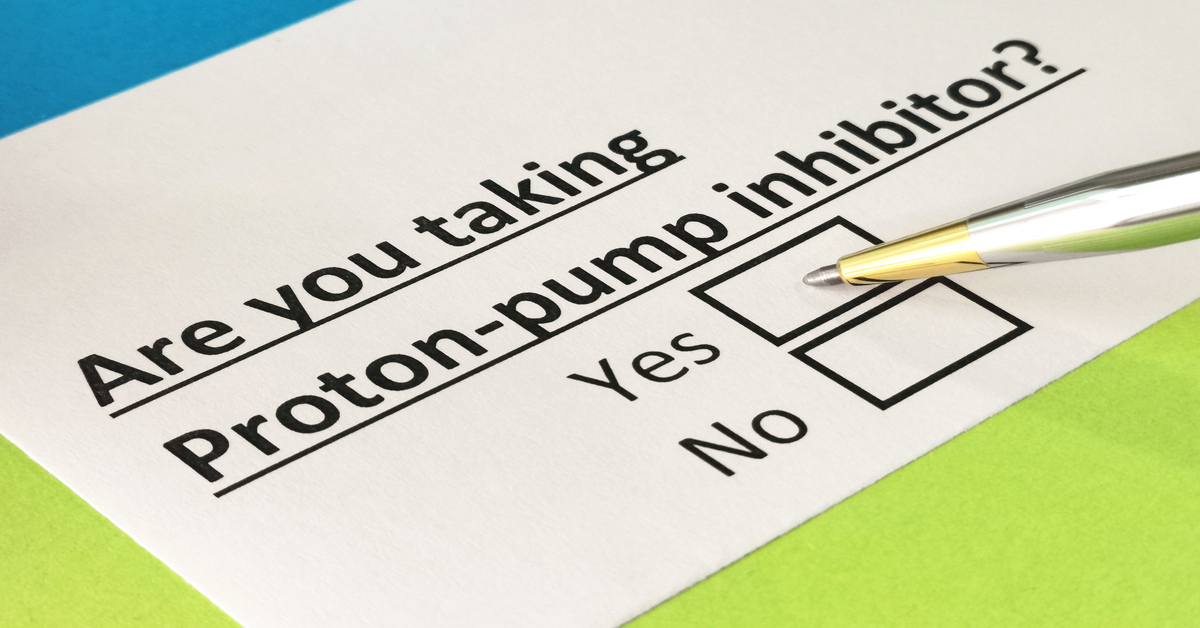
Proton pump inhibitors (PPIs) are known to increase the risk for acute kidney injury and incident chronic kidney disease (CKD). Potassium-competitive acid blockers (P-CABs) have emerged as a potentially safer alternative, but their impact on kidney health is still unclear. Researchers in South Korea, led by Minyoung Jang, PhD, conducted a retrospective observational study designed to compare renal outcomes of P-CABs with those of PPIs.
The study was conducted from January 2019 to May 2023 at a tertiary referral hospital in Seoul, South Korea. Eligible participants were aged 18 years or older and were prescribed a once-daily oral PPI (esomeprazole 40 mg) or P-CAB (tegoprazan 50 mg) during hospitalization or outpatient visits.
Renal outcomes of interest were doubling of creatinine levels and a 50% or greater decline in estimated glomerular filtration rate (eGFR). Censoring events included the end of follow-up, loss to follow-up, death, or transfer to another facility. The researchers used Cox proportional hazard analyses to adjust for multiple covariates.
The overall cohort comprised 6,941 participants (P-CAB: n=1,820; PPI: n=5,121). During a median follow-up of 447 days, patients underwent a median of five creatinine measurements. The two groups were similar in baseline demographic characteristics, except the P-CAB group was slightly older and included fewer males. Diabetes and hypertension were more common in the P-CAB group. Prescription of the study drug duration was comparable between the two groups.
The incidence rates per 1,000 person-years of creatinine doubling were lower in the P-CAB group than in the PPI group (13.4 vs 36.5, respectively; log-rank, P<0.001). Incidence rates of decline in eGFR of 50% or greater were also lower in the P-CAB group compared with the PPI group (18.4 vs 39, respectively; log-rank, P<0.001).
Univariate analysis showed a lower risk for both creatinine doubling and eGFR decline with P-CBA compared with PPI (hazard ratio [HR], 0.42; 95% CI, 0.30-0.59; P<0.001 and HR, 0.50; 95% CI, 0.37-0.69; P<0.001, respectively). Following adjustment for multiple covariates, hazard ratios for creatinine doubling and eGFR decline with P-CAB were 0.52 (95% CI, 0.37-0.74; P<0.001) and 0.63 (95% CI, 0.46-0.87; P=0.005).
The researchers cited several limitations to the study findings, including the possibility of residual confounding due to the single-center retrospective design, likely overrepresentation of patients at higher risk for renal dysfunction, and a lack of data on some clinically relevant factors.
In conclusion, the authors wrote, “Our study suggests that P-CABs may be a relatively safer alternative in terms of renal function for patients at risk of CKD progression who require long-term PPI use.” However, they noted that further prospective studies with long-term follow-up and larger cohorts are required to validate and supplement the findings.
link





:max_bytes(150000):strip_icc()/VWH-GettyImages-2157903338-69370a8ef92e449b8958c22cab26dd28.jpg "What Happens to Your Gut Health When You Eat Wild Blueberries Regularly")